


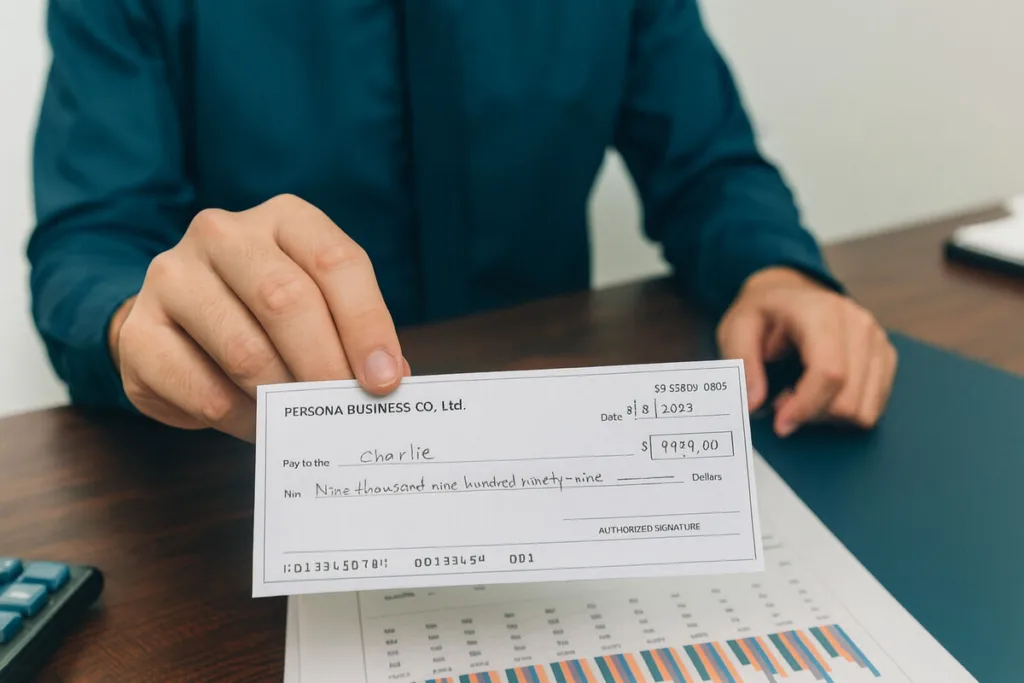
Swipe here, tap there, and a transaction is complete in seconds. The world’s payment landscape has never been more digital, or so it seems. With every new fintech app, it would be easy to assume that personal cheques are quietly fading into history. Yet, something unexpected is happening: a subtle resurgence of cheque usage, as individuals rediscover their practicality, security, and old-school charm.
The Resurgence of Personal Cheques in a Digital Era
It’s tempting to write off cheques as relics, but the data tell a different story. More people are keeping cheque books on hand, not just out of habit, but by choice. The motivations are as varied as the people themselves, some driven by concerns over digital security, others by the simplicity of a physical paper trail.
Historical Decline and Digital Displacement
For decades, personal cheques dominated everyday payments. Rent, bills, even groceries, were often settled with a handwritten slip. The arrival of debit cards, online banking, and mobile wallets in the late 20th century changed everything. Cheques rapidly lost ground, perceived as slow and cumbersome. By the 2010s, many predicted their extinction.
Why Cheques Never Fully Disappeared
Despite plummeting usage, cheques never vanished. Certain transactions, like paying small businesses, landlords, or making formal deposits, remained stubbornly cheque-based. In communities with unreliable internet, or among older adults comfortable with pen-and-paper accounting, cheques survived the digital storm.
Comparing Payment Methods: Digital vs. Personal Cheques
The return of cheques isn’t just nostalgia. It’s a direct response to the limitations and anxieties of digital payments.
Speed and Convenience: Instant Payments vs. Manual Processing
Digital payments win on speed. Transferring funds through apps takes seconds, while cheques demand patience: write, deliver, deposit, and wait for clearing. But with speed comes certain risks and tradeoffs that some users are no longer willing to ignore.
Security Considerations: Cyber Risks vs. Physical Control
Identity theft, phishing scams, and cyberattacks are real threats in a world reliant on digital platforms. For those wary of sharing financial information online, cheques offer tangible control. If a cheque is lost or stolen, it’s a single document, easily canceled. By contrast, a hacked payment app can expose multiple accounts or cards in an instant.
Costs and Fees: Bank Charges vs. Discounted Cheque Books
Often, the hidden costs of digital payments go unnoticed: transaction fees, app charges, and even penalties for failed transfers. By comparison, ordering cheque books through your bank can be costly, but savvy shoppers have found alternatives. Providers now offer personal cheques at up to 60% less than bank prices, with options for bulk orders and customization. The math is simple, over time, these savings add up.
| Payment Method | Typical Costs (per year) | Key Fees | Savings Potential |
|————————|————————-|———————|—————————|
| Bank-issued Cheque Books | $60-120 | Bank handling fee | Low (unless high volume) |
| Discount Cheque Provider | $45-110 (4-12 books) | Shipping, rush fee | Up to 60% vs. bank price |
| Digital Transfers | $0-30+ | Transfer/overdraft | Depends on usage |
| Payment Apps | $0-60+ | Premium, instant | Variable |
Practical Benefits of Using Personal Cheques Today
The quiet comeback of cheques is powered by their practical benefits, sometimes overlooked in the rush toward digitization.
Budgeting and Financial Tracking Advantages
A cheque isn’t just a payment; it’s a record. Each book comes with a register, letting users log every transaction, recipient, and date. For anyone who finds online statements confusing or incomplete, this physical ledger is a budgeting lifesaver. There’s less chance of missing a payment or overlooking a withdrawal.
Accessibility for the Unbanked and Tech-Averse
Not everyone is digitally fluent or even banked. Cheques offer financial inclusion for those without smartphones or stable internet. They’re also a safety net for people who distrust, or simply dislike, digital finance.
Portability and Physical Record-Keeping
Cheque books are compact. They fit into a purse, briefcase, or even a back pocket. When needed, a paper cheque can be produced instantly, signed, and handed over as proof of payment, no electricity or Wi-Fi required.
Ordering Personal Cheque Books: Bank vs. Third-Party Providers
A major shift in the cheque revival is where people order them. Banks are no longer the only game in town, and the alternatives are delivering real value.
Price Comparison and Savings Opportunities
Bank-issued cheques often come with premium price tags, sometimes reaching $120 a year for a modest quantity. Third-party providers have disrupted this model. Customers can now order four to twelve books, each with 40 cheques or more, for $45 to $110, representing substantial savings especially for families and small businesses.
Customization Options and Security Features
Cheques ordered from discount suppliers are no longer generic. Customers can specify colors, add personal or business details, and even include duplicate cheques for extra security. Basic security features, such as watermarked paper and unique numbering, help prevent fraud and ensure traceability.
Delivery Speed and Customer Service
Banks may take over a week to process and ship orders. By contrast, third-party providers often fulfill and dispatch cheque books within five business days, with options for same-day rush shipping when needed. This flexibility, combined with customer-centric policies like satisfaction guarantees, is winning over a new generation of cheque writers.
Situations Where Personal Cheques Outperform Digital Payments
Not every transaction fits neatly into the digital mold.
Handling Large or Unusual Transactions
Some payments, like deposits on apartments, large charitable donations, or payouts to individuals, feel safer on paper. Cheques provide an official, trackable record, with no need to share sensitive app credentials or account details.
Legal and Formal Payment Requirements
Certain contracts, government agencies, and legacy systems still require a paper cheque. For these situations, an app simply won’t suffice.
Backup Payment Method When Digital Systems Fail
Technical outages, dead batteries, or spotty internet are minor inconveniences until they disrupt a payment. Having a cheque book as backup means never being caught without a way to pay.
Overcoming Misconceptions and Modernizing the Image of Cheques
Stereotypes about cheques being insecure or obsolete persist. In reality, the industry has adapted.
Addressing Security Myths and Fraud Prevention
Modern cheque books come with anti-fraud features: watermarks, tamper-evident paper, and detailed registers. Lost cheques can be canceled, and a paper trail can be invaluable in disputes. The risks of physical theft are real, but so are digital vulnerabilities.
Integrating Cheques with Digital Banking Tools
Old and new can coexist. Many banks now allow digital cheque deposits, blending the benefits of physical documentation with online convenience. Users can snap a photo, deposit funds, and retain the original cheque as proof.
Future Outlook: Will Personal Cheques Continue to Rebound?
The quiet comeback is real, but will it last? The answer lies in how payment needs continue to diversify.
Emerging Trends Supporting Physical Payment Methods
As digital fatigue and cybersecurity worries grow, a segment of consumers will always value tangible control. For some, the satisfaction of signing a cheque or keeping a physical ledger outweighs the pull of instant transfers.
Predictions and Potential Hybrid Payment Solutions
Expect to see more hybrid approaches: cheque books with QR codes, enhanced security paper, and easier integration with digital banking. Cheques may never reclaim their 20th century dominance, but their role as a fail-safe, budget tool, and symbol of trust is likely secure for years to come.
In the end, it’s clear that in a payment landscape obsessed with speed, there’s still a place for the slow, steady, and surprisingly resilient personal cheque.
